Introduction
In the intricate ecosystem of Salesforce, managing lead assignments efficiently is paramount. One method that stands out for its fairness and balance is the round robin assignment. This approach ensures that every team member gets an equitable share of leads, preventing bottlenecks and optimizing overall productivity. Below, we delve into five distinct methods to implement round robin assignments within Salesforce, each tailored to different organizational needs and preferences.

5 Ways to Do Round Robin Assignments in Salesforce
1. Using Salesforce’s Built-In Lead Assignment Rules
Salesforce’s native Lead Assignment Rules are a robust tool designed for automation. These rules allow you to set specific criteria to direct leads to the right sales representatives. To configure a round robin system, you can create multiple rules that cycle through your team. The essence of this method lies in its simplicity; once set up, it runs autonomously, ensuring fair distribution of leads. However, it’s important to monitor and tweak these rules periodically to accommodate changes in team size or sales strategies.
The elegance of Salesforce’s built-in functionality lies in its deep integration with other Salesforce features, such as email notifications and task assignments, making it a comprehensive solution for lead management.

2. Leveraging Process Builder and Flow for Customized Logic
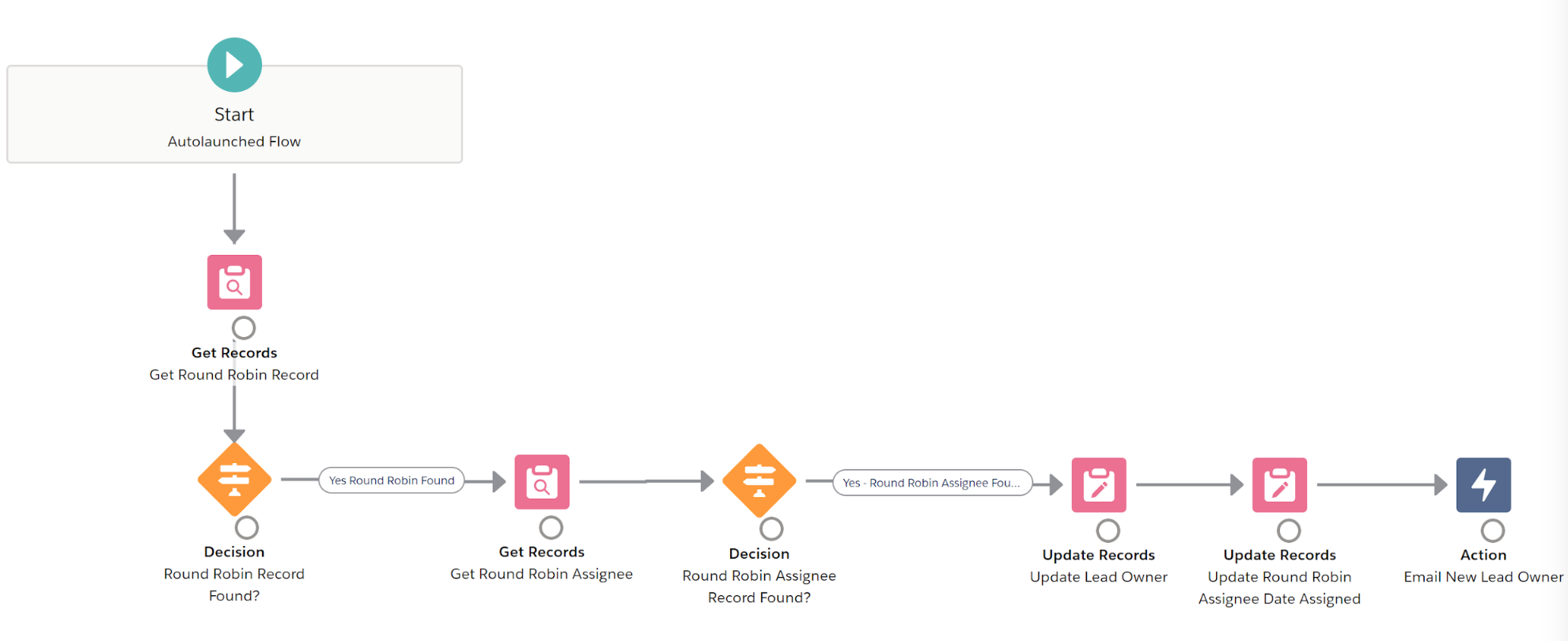
Salesforce Process Builder and Flow offer a more customizable approach to round robin assignments. With these tools, you can design complex logic that goes beyond the basic assignment rules. For example, you might want to assign leads based on a combination of criteria, such as the lead’s location, the time of day, or the current workload of each sales representative.

Process Builder allows you to trigger actions automatically, while Flow enables you to create detailed, multi-step processes. By combining these tools, you can craft a dynamic round robin system that adapts to your business’s unique requirements. The beauty of this approach is in its flexibility; you can fine-tune the logic to ensure optimal lead distribution, thus enhancing your team’s efficiency.
3. Utilizing Third-Party Apps from the Salesforce AppExchange
For organizations seeking a more plug-and-play solution, third-party applications from the Salesforce AppExchange can be invaluable. Several apps are designed specifically for round robin lead assignment, offering features that may not be available in Salesforce’s native tools. These apps often come with additional functionalities such as advanced reporting, lead rebalancing, and integration with other CRM systems.
Selecting the right app requires careful consideration of your organization’s specific needs and budget. While some apps offer free versions, others might require a subscription. The key is to choose an app that aligns with your sales processes and can scale as your business grows. These third-party tools can significantly reduce the time and effort required to set up and maintain a round robin system, allowing your team to focus on what they do best—selling.

4. Creating a Custom Round Robin Algorithm Using Apex
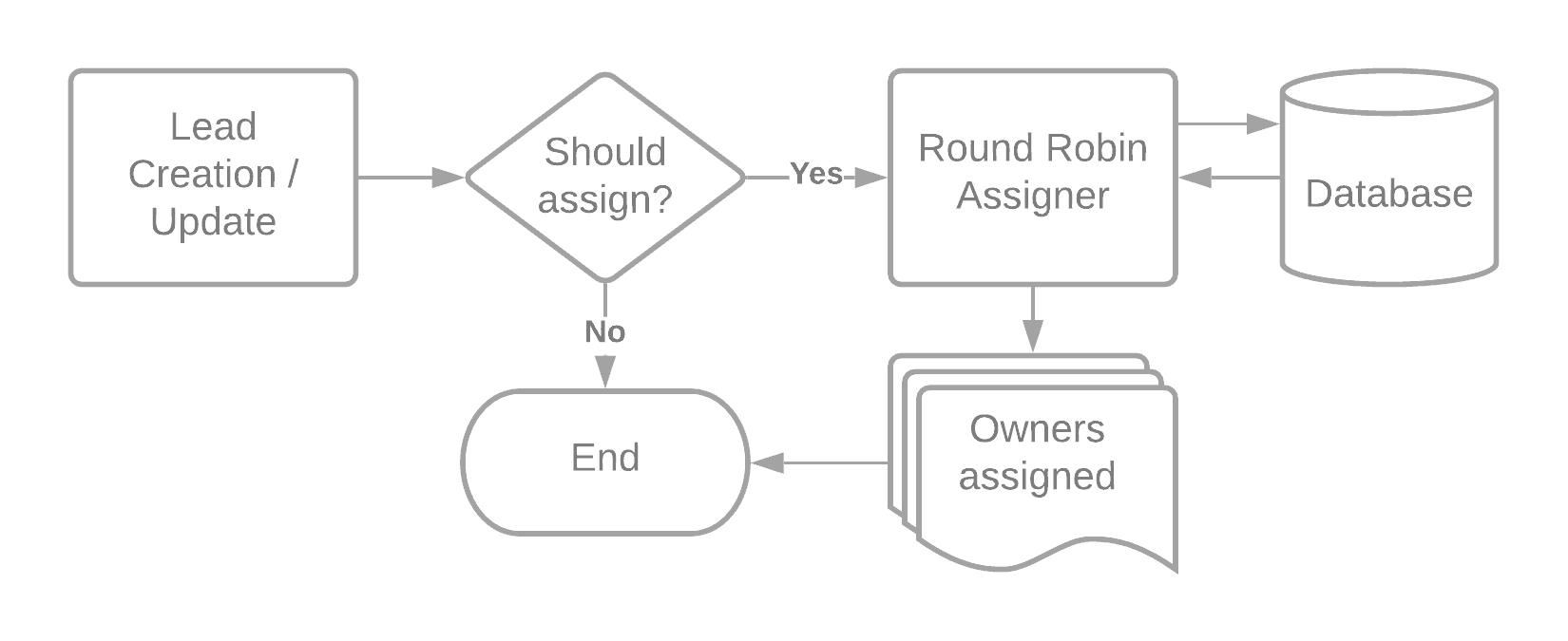
For those with a penchant for coding, Apex, Salesforce’s proprietary programming language, offers the ultimate in customization. With Apex, you can create a round robin assignment system that adheres precisely to your business rules. This method is ideal for complex sales environments where out-of-the-box solutions might fall short.
An Apex-based solution can account for a myriad of factors, from sales rep performance metrics to the specific needs of high-value leads. The customization options are virtually limitless, allowing you to design a system that is both fair and highly efficient. However, this approach requires a deep understanding of Salesforce’s architecture and Apex coding, making it more suitable for organizations with in-house development teams.
5. Implementing Round Robin Assignments with Salesforce Queues
Salesforce Queues provide a straightforward way to manage lead distribution. By creating a queue for your sales team, you can allow leads to be assigned on a first-come, first-served basis. This method is particularly useful for smaller teams or for managing high-priority leads that need immediate attention.
To implement a round robin system with queues, you can rotate the assignment of leads within the queue, ensuring that each sales representative gets an equal share. This method is easy to set up and maintain, making it a popular choice for organizations that require a simple yet effective lead management solution.

Conclusion
Round robin assignments in Salesforce are a powerful way to ensure fairness and efficiency in lead distribution. Whether you opt for Salesforce’s built-in tools, custom-coded solutions, or third-party applications, the key is to choose a method that aligns with your organization’s specific needs and goals. By implementing one of these five methods, you can optimize your sales team’s performance, reduce lead response times, and ultimately drive more revenue.