Introduction
Salesforce Sales Cloud is a leading customer relationship management (CRM) platform meticulously crafted to meet the dynamic needs of modern sales teams. This robust, cloud-based solution empowers sales professionals by offering an array of powerful tools and features designed to streamline and optimize the entire sales process. From lead generation to closing deals, Salesforce Sales Cloud provides a comprehensive suite of functionalities that enhance productivity, improve data accuracy, and deliver deeper insights into sales performance.
What is Salesforce Sales Cloud?
Salesforce Sales Cloud is an advanced customer relationship management (CRM) platform designed to support sales teams by providing a suite of tools and functionalities that streamline the sales process. As a cloud-based solution, it offers unparalleled accessibility, allowing sales professionals to manage their activities from anywhere, at any time.

Importance of Sales Cloud in Modern Business
In the contemporary business environment, where competition is fierce and customer expectations are high, leveraging technology to gain a competitive edge is essential. Salesforce Sales Cloud empowers businesses to enhance their sales operations, improve customer relationships, and drive revenue growth through its robust and intuitive platform.

Core Features of Salesforce Sales Cloud
1. Lead Management
Lead management within Salesforce Sales Cloud is meticulously designed to help sales teams capture, track, and nurture leads efficiently. The system allows for seamless lead generation, ensuring that potential customers are properly followed up with and converted into sales opportunities.

2. Opportunity Management
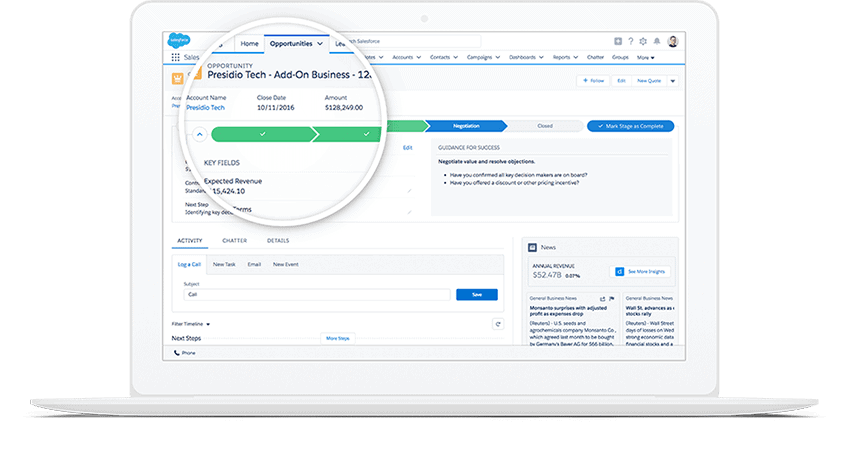
Opportunity management is a critical component of the sales process. Salesforce Sales Cloud provides tools to track potential sales from inception to closure. This feature ensures that sales teams can manage their pipeline effectively, prioritize high-value deals, and forecast revenue with greater accuracy.
3. Sales Forecasting
Sales forecasting in Salesforce Sales Cloud utilizes historical data and predictive analytics to provide accurate sales projections. This capability helps sales leaders make informed decisions, allocate resources strategically, and set realistic sales targets.

4. Contact Management
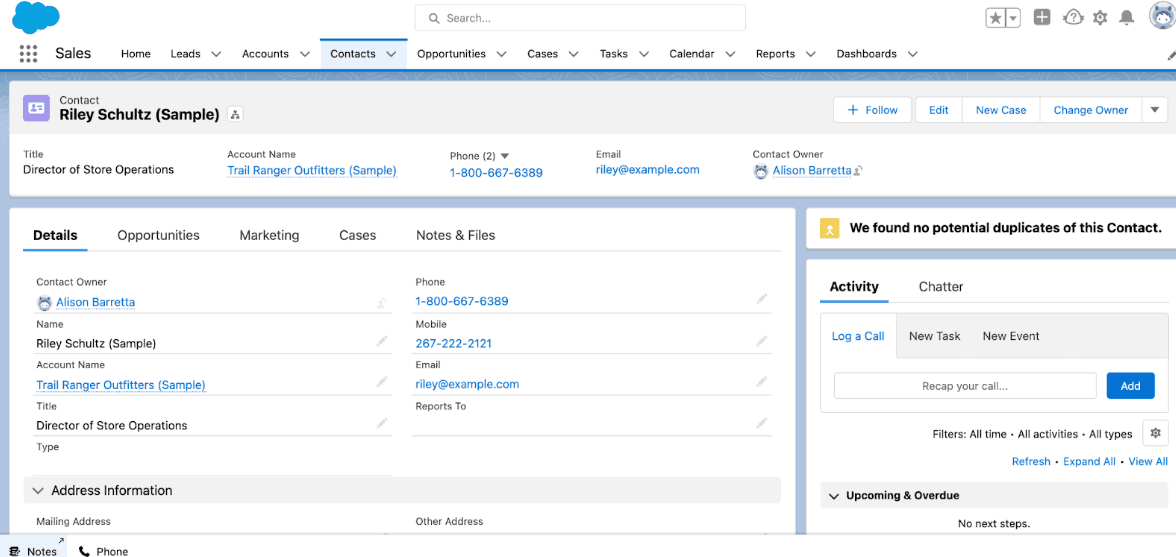
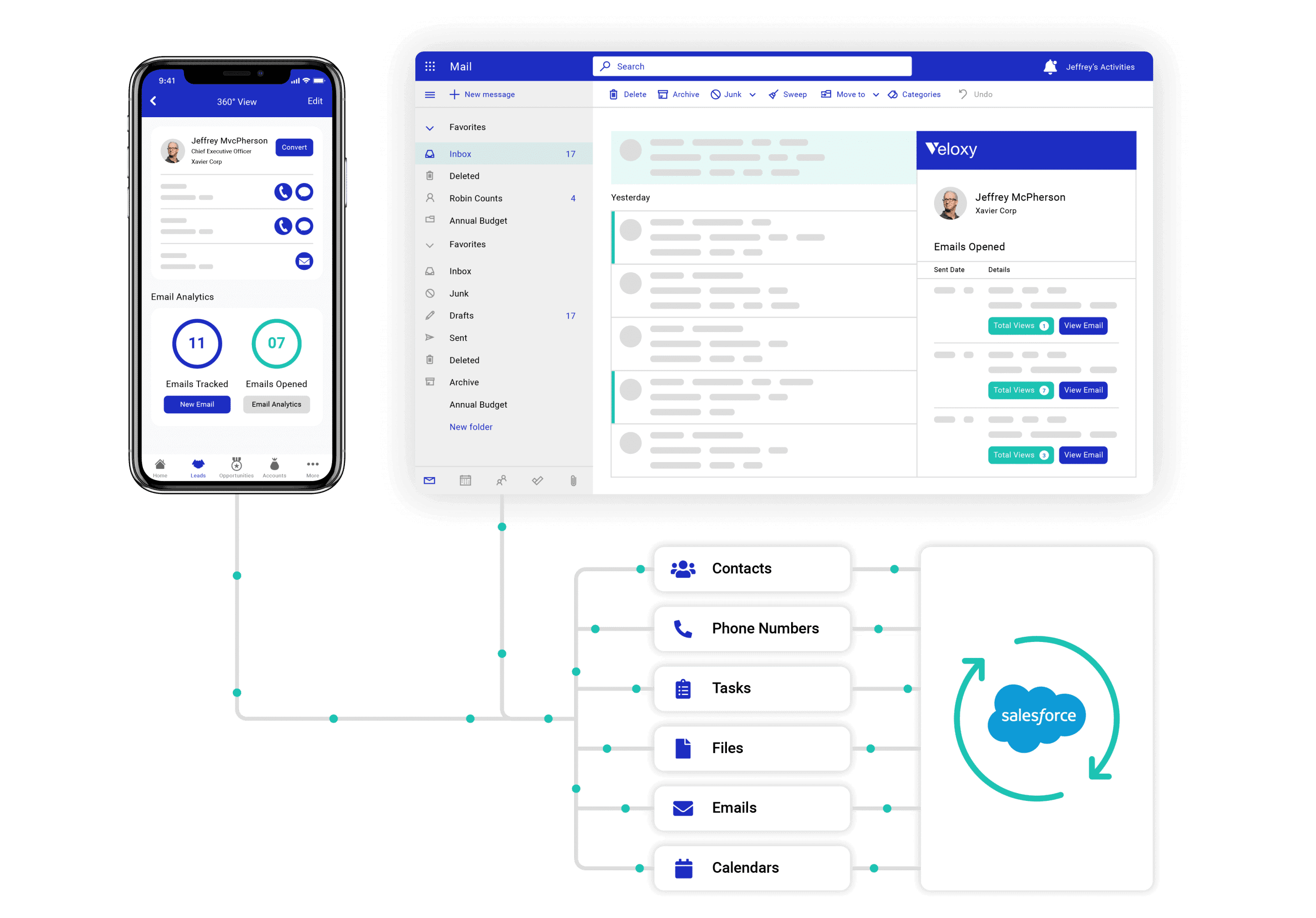
Contact management is fundamental to maintaining strong customer relationships. Salesforce Sales Cloud offers a comprehensive contact management system that consolidates customer information, interaction history, and communication preferences, ensuring that sales teams have a 360-degree view of their customers.
5. Email Integration
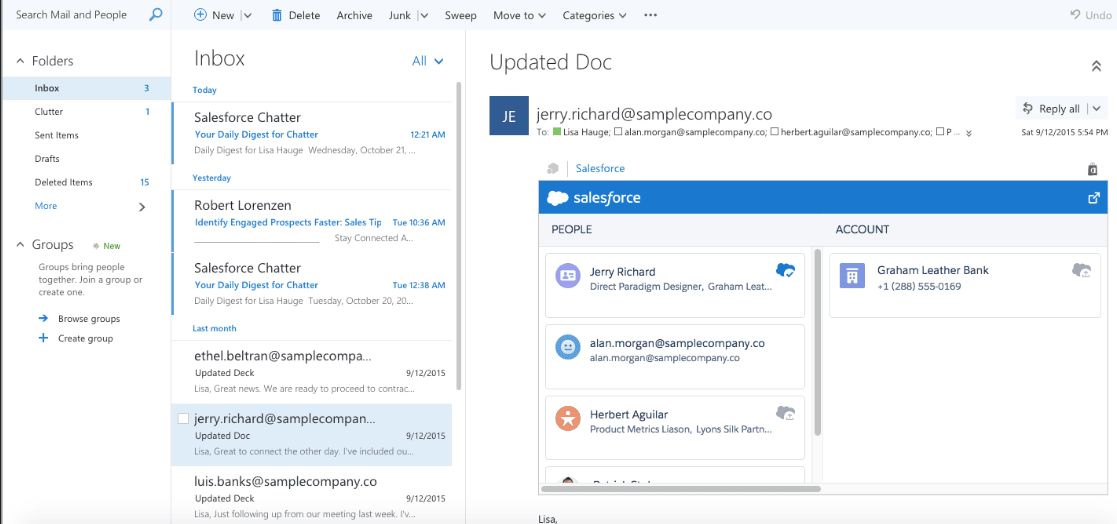
Email integration within Salesforce Sales Cloud allows sales professionals to send, receive, and track emails directly from the platform. This feature enhances productivity by streamlining communication and ensuring that all interactions are logged and accessible within the CRM.
6. Reports and Dashboards
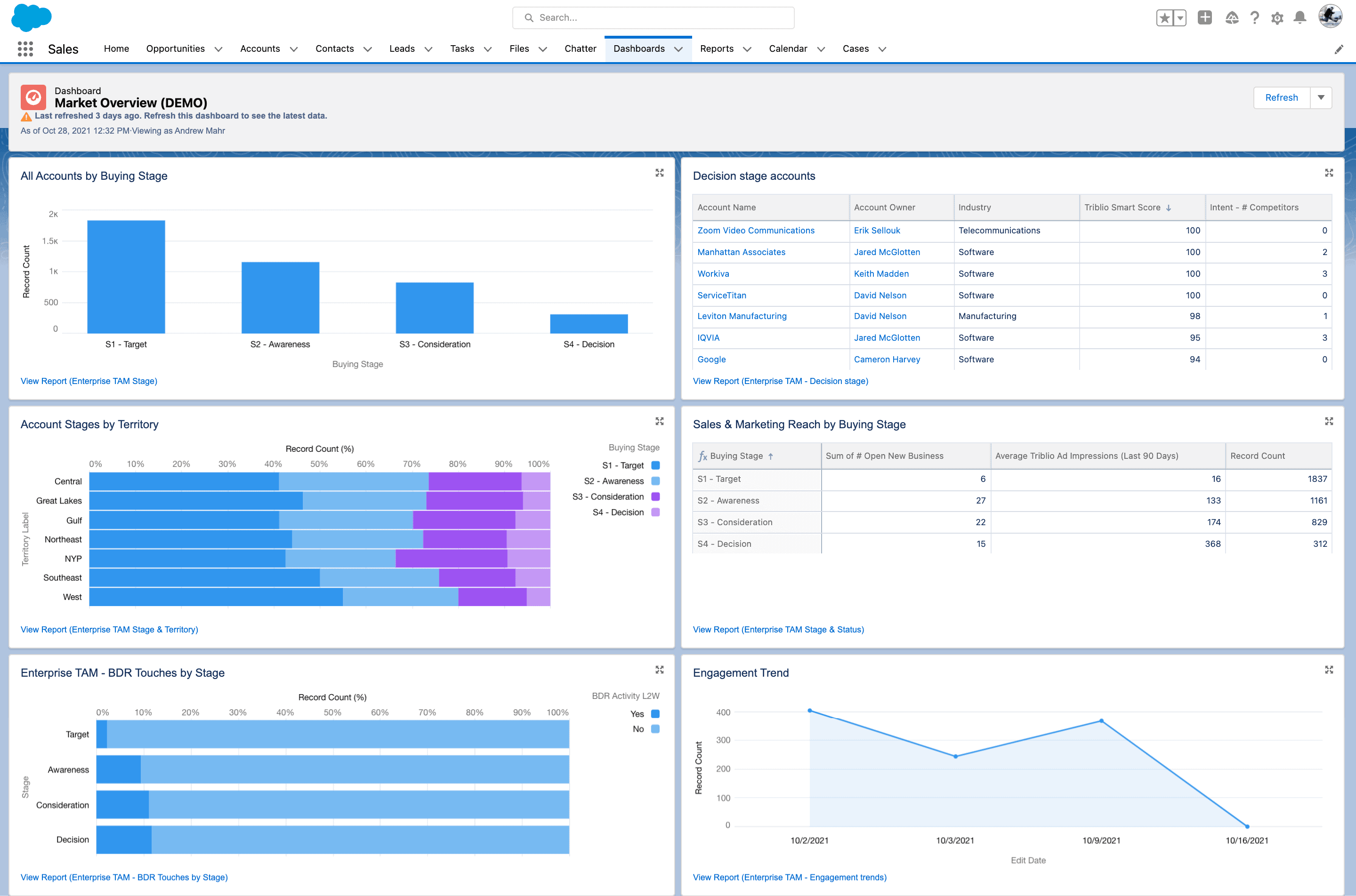
Reports and dashboards in Salesforce Sales Cloud provide real-time insights into sales performance. These tools enable sales managers to monitor key metrics, identify trends, and make data-driven decisions to optimize sales strategies.
Advanced Capabilities
1. AI-Powered Sales Insights
AI-powered sales insights leverage artificial intelligence to analyze data and provide actionable recommendations. This feature helps sales teams identify opportunities, predict customer behavior, and prioritize activities that are most likely to result in successful outcomes.
2. Customizable Sales Processes
Salesforce Sales Cloud offers highly customizable sales processes, allowing businesses to tailor the platform to their unique needs. Users can configure stages, criteria, and workflows to align with their specific sales methodologies and business objectives.
3. Mobile Accessibility
Mobile accessibility ensures that sales teams can access Salesforce Sales Cloud from any device, anywhere. This flexibility is crucial for field sales representatives who need real-time access to customer data and sales tools while on the go.
4. Sales Collaboration Tools
Sales collaboration tools within Salesforce Sales Cloud facilitate seamless communication and collaboration among team members. Features such as Chatter enable users to share updates, ask questions, and collaborate on deals in real time, fostering a collaborative sales environment.
Benefits of Using Salesforce Sales Cloud
1. Enhanced Productivity
Salesforce Sales Cloud enhances productivity by automating routine tasks, streamlining processes, and providing tools that enable sales teams to focus on high-value activities. This increased efficiency translates into more time spent selling and less time on administrative tasks.
2. Improved Data Accuracy
Improved data accuracy is a significant benefit of using Salesforce Sales Cloud. The platform’s robust data management capabilities ensure that all customer information is accurate, up-to-date, and easily accessible, reducing errors and enhancing decision-making.
3. Greater Sales Visibility
Greater sales visibility is achieved through Salesforce Sales Cloud’s comprehensive reporting and dashboard features. Sales leaders can gain insights into every aspect of the sales process, from lead generation to deal closure, allowing for better management and strategic planning.
4. Streamlined Communication
Streamlined communication is facilitated by Salesforce Sales Cloud’s integration with email, social media, and other communication channels. This integration ensures that all interactions are logged and accessible, providing a complete view of customer engagement.
Implementation Strategies
1. Assessing Business Needs
Assessing business needs is the first step in implementing Salesforce Sales Cloud. Organizations must identify their specific requirements, challenges, and goals to tailor the platform to their unique needs effectively.
2. Customization and Configuration
Customization and configuration are crucial to maximizing the benefits of Salesforce Sales Cloud. Businesses can modify the platform’s features, workflows, and user interfaces to align with their processes and preferences.
3. Continuous Improvement
Continuous improvement involves regularly reviewing and optimizing the use of Salesforce Sales Cloud. Businesses should monitor performance, gather feedback, and make necessary adjustments to ensure the platform continues to meet their evolving needs.
Integrations with Salesforce Sales Cloud
1. Integration with Marketing Cloud
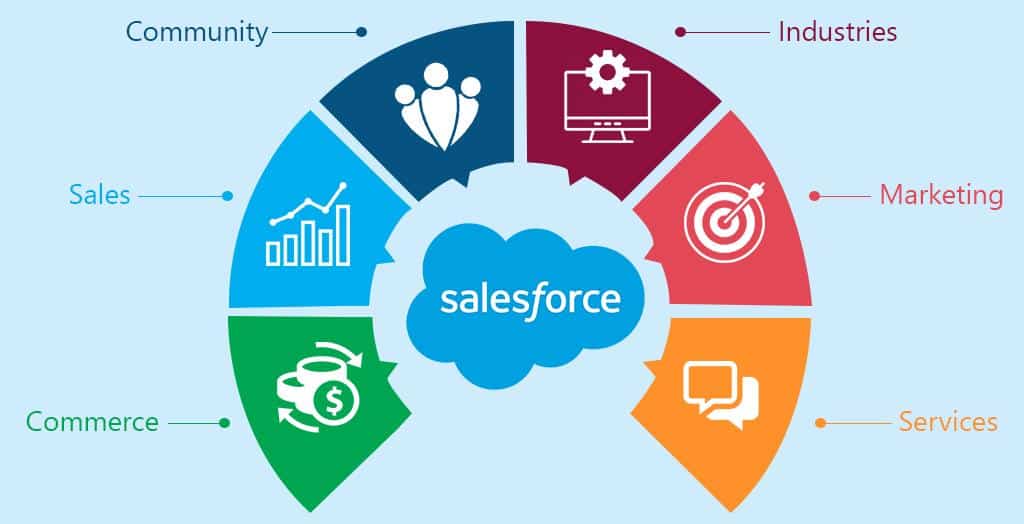
Integration with Marketing Cloud enhances the capabilities of Salesforce Sales Cloud by providing a seamless connection between sales and marketing activities. This integration enables better alignment, more effective lead nurturing, and improved customer engagement.
2. Integration with Service Cloud
Integration with Service Cloud allows for a unified view of customer interactions across sales and service departments. This integration ensures that sales teams have access to service histories, enabling them to provide more informed and personalized customer experiences.
3. Third-Party App Integrations
Third-party app integrations expand the functionality of Salesforce Sales Cloud by connecting it with various tools and applications. These integrations enhance the platform’s capabilities and provide additional features that cater to specific business needs.
Future Trends in Sales Cloud Technology
1. The Role of Artificial Intelligence
The role of artificial intelligence in the future of Salesforce Sales Cloud is poised to grow significantly. AI will continue to enhance predictive analytics, provide deeper insights, and automate more aspects of the sales process, leading to greater efficiency and effectiveness.
2. Increased Automation
Increased automation is a key trend in the evolution of Salesforce Sales Cloud. Automation will streamline more tasks, reduce manual effort, and enable sales teams to focus on strategic activities that drive revenue.
3. Enhanced User Experience
Enhanced user experience will be a focal point for future developments in Salesforce Sales Cloud. The platform will continue to evolve to provide more intuitive, user-friendly interfaces and features that cater to the needs of modern sales professionals.
Summary
Salesforce Sales Cloud is an all-encompassing CRM platform offering features from lead and opportunity management to AI-powered insights, designed to enhance productivity, accuracy, and visibility in sales operations. The platform’s future is promising, with advancements in AI, automation, and user experience poised to further empower sales teams and drive business success in a competitive market.
Recommendation To Read More:
Twopir Consulting: Maximize Your Salesforce Success Now!