
Streamlining Property Management
with Propertybase on Salesforce
A Dubai base real estate brokerage with 120+ agents was running on disconnected spreadsheets, manual MLS exports, and email-thread transaction management. We rebuilt their entire revenue operation on Propertybase + Salesforce — and handed them back 45% of the time they were losing every week.
— hours to under 15 min
admin overhead per week
eliminated via automation
conversion in 90 days
— down from 2 full days
- Salesforce org with admin access & sandbox
- Active MLS membership with API access
- Internal ops owner who can sign off on workflows
- Known lead sources (Zillow, forms, referrals)
- State compliance checklist for transactions
- 2–3 week parallel run during cutover
- How to unify MLS data with CRM without manual re-entry
- How to auto-route 120+ agents' leads in under 90 seconds
- How to build compliance trails inside Salesforce transactions
- How to replace weekly Excel with live dashboards
A Regional Brokerage That Had Outgrown Its Tools
This brokerage had been growing steadily — new agents onboarding, offices expanding, transaction volume climbing. But their infrastructure hadn't kept pace. What started as a workable CRM and spreadsheet setup had become a serious liability with measurable, growing revenue cost.
By the time they engaged us, they'd already been through two failed CRM implementations — both delivered by generalist partners with no real estate workflow depth. They weren't looking for another vendor pitch. They needed a team that had solved this problem before.
Four Operational Gaps That Were Costing Real Revenue
Moving past the surface-level complaint of "our CRM isn't working" revealed four distinct system failures — each with a direct, measurable cost to the business.
Lead Response Delays Were Killing Conversion
Leads from Zillow, website forms, and referral partners were manually triaged by one ops coordinator. Average first-contact time: 4–6 hours. In residential real estate, the first agent to respond wins the appointment over 60% of the time. That window was costing them signed buyers before an agent ever picked up the phone.
MLS Data Was Re-Entered Manually Twice a Day
MLS listings weren't connected to the CRM. An admin was exporting CSVs from the MLS portal twice daily and re-uploading them by hand. One team estimated 4+ hours per agent per week lost to data entry that should have been automated. Listings also went stale between syncs — agents occasionally called buyers about properties already under contract.
Transaction Progress Lived in Individual Email Inboxes
From offer accepted to closing, every compliance step, document request, and approval lived in email threads. Broker managers had no systemic view of deal status. When a transaction fell behind, they found out from an agent — not a dashboard. Compliance audit prep took two full working days before every review.
Reporting Was Retrospective, Not Actionable
Reports were assembled manually in Excel, delivered once a week. By the time leadership saw a region underperforming, two weeks of pipeline had already gone unaddressed. No visibility into which lead sources converted, which agents had capacity, or where deals were stalling in the funnel.
How We Structured the Engagement
We've implemented Propertybase on Salesforce for real estate firms across the Dubai, UAE, and Australia. Our approach is always workflow-first — before we configure a single object, we map how the business moves leads from inquiry to closing. Then we build around that reality, not what looks impressive in a demo.
Discovery — Mapping the Real Workflow
Before any configuration work, we spent two weeks inside the business. We interviewed agents, ops managers, and the broker-owner, mapping every touchpoint from first lead contact to closed transaction. We identified 14 distinct handoff points where data was duplicated, dropped, or re-entered manually. That gap analysis became the architecture blueprint.
We also reviewed both prior failed implementations to understand exactly what had gone wrong. Building on bad foundations would have produced a third failure.
Propertybase Implementation on Salesforce
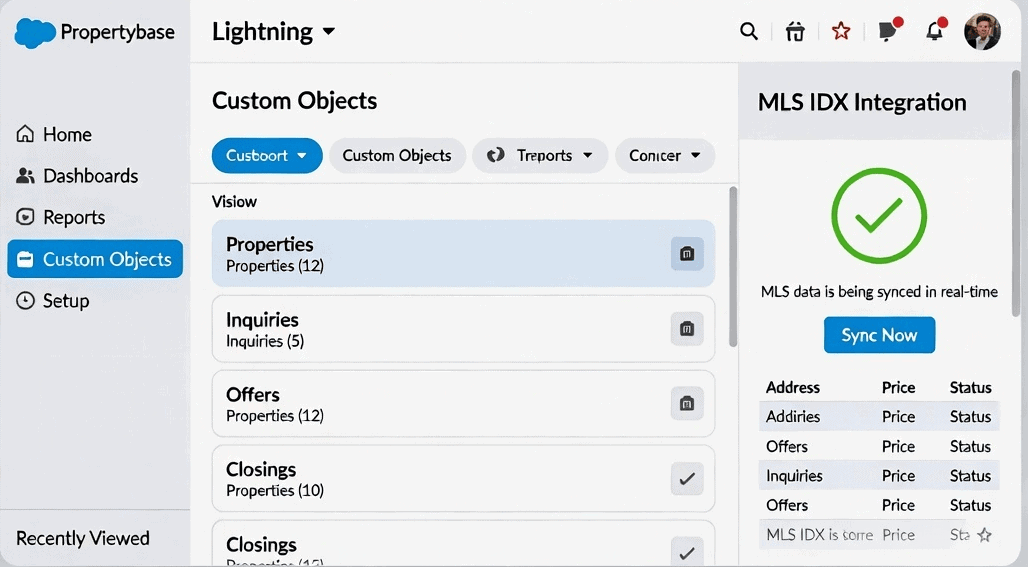
We deployed Propertybase Salesforce Edition with a clean data model built for how this brokerage operates. Custom objects for Properties, Inquiries, Offers, and Closings were structured to support both agent workflows and management reporting from day one — not retrofitted six months later when the gaps became painful.
MLS integration via REST API was configured with scheduled health-check Flows that alert the admin team if a feed fails. We also deployed Propertybase GO for field agents — offline sync so records updated during property tours don't disappear on low-signal sites.
Automated Lead Routing and Nurture Sequences
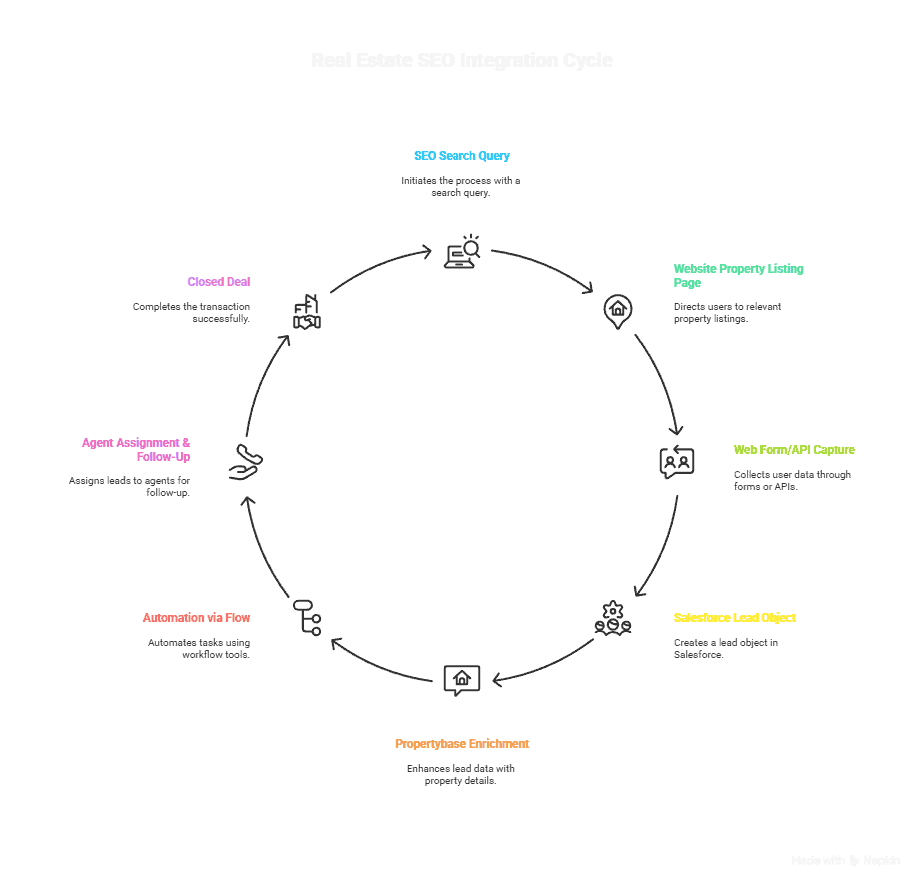
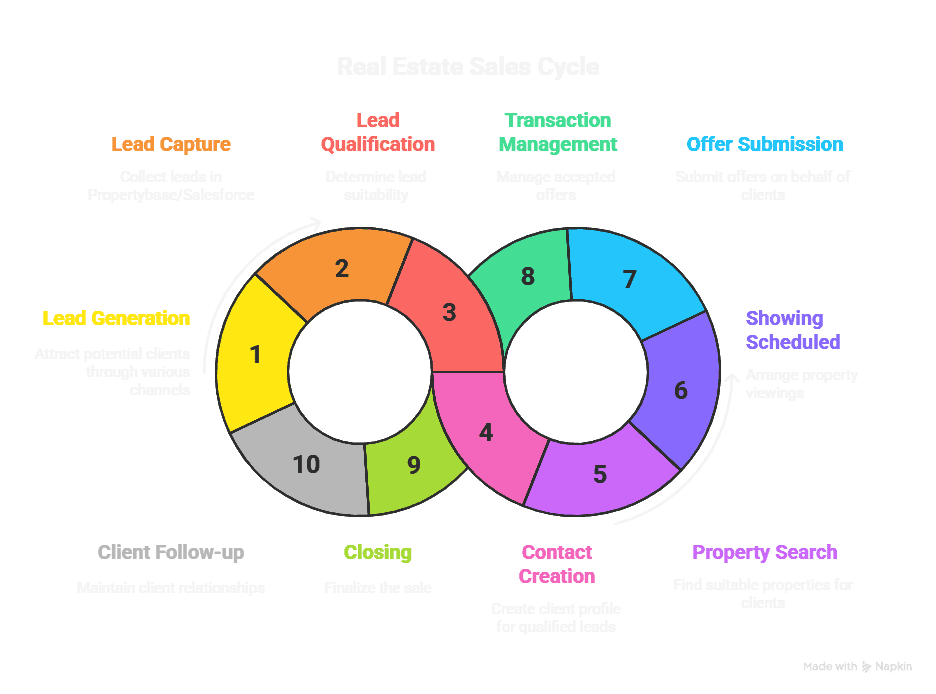
We replaced manual lead triage with Salesforce Flow-based routing. Leads are now assigned within 90 seconds of entry — based on geography, property type, and agent capacity — via a 3-tier priority model that prevents conflicts and ensures balanced distribution across all four offices.
Each lead entry triggers a 10-step drip sequence through Salesforce Marketing Cloud, combining email and SMS. High-intent leads (3+ listing views, form completions) are automatically escalated to senior agents with a priority alert. No lead waits more than 15 minutes, regardless of time of day.
Transaction Management and Compliance Automation
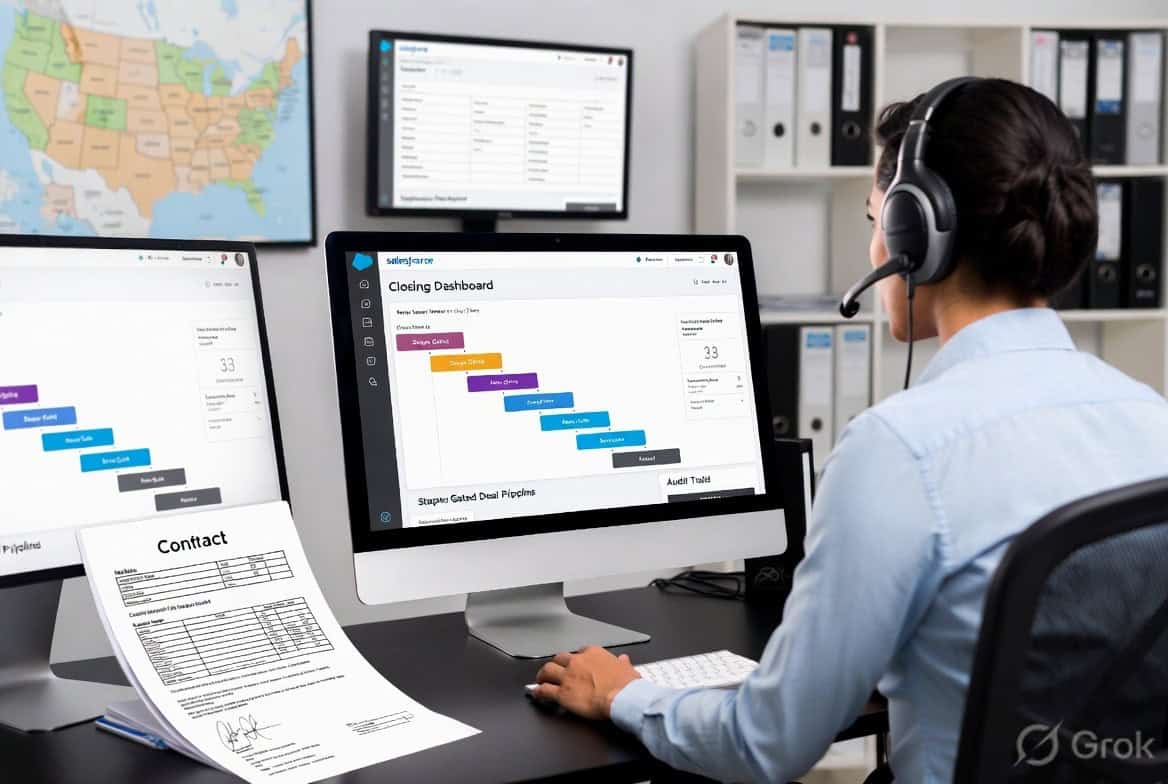
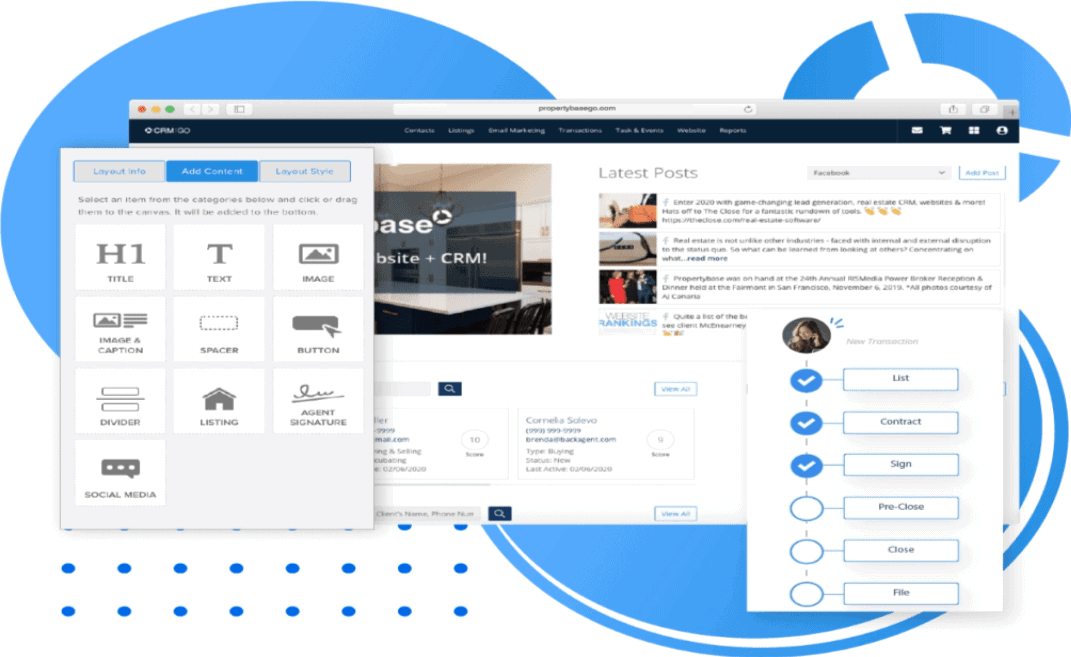
This was the phase the ops team had been waiting for. We built stage-gated approval workflows guiding every agent from Offer Received to Closed — with compliance checkpoints built into each stage transition. Document prompts, electronic approvals, and automated deadline reminders replaced the email-based management that had been creating compliance exposure across all four offices.
Every transaction now has a complete, timestamped audit trail in Salesforce. Compliance audit prep dropped from two days to under two hours. Managers see deal status in real time without chasing agents.
Live Dashboards, Reporting and Agent Training
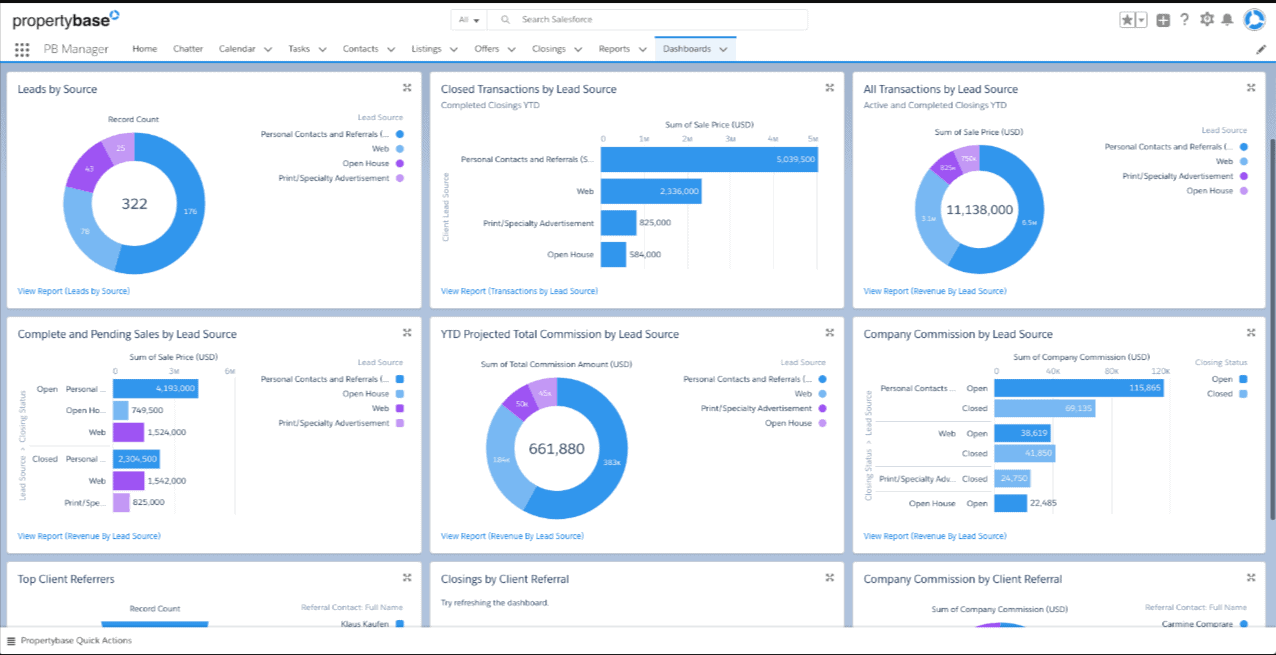
Management went from weekly Excel reports to live Salesforce dashboards tracking lead velocity, agent activity, pipeline by region, and listing conversion rates. Einstein-powered alerts fire when conversion rates dip below threshold — leadership responds to pipeline issues same day instead of seven days late.
Training ran over four weeks with role-specific sessions for agents, ops, and management. We documented every custom workflow for independent troubleshooting. Agent onboarding dropped from 14 days to 3 — new hires start working the pipeline on day one because the system does what senior agents used to do manually.
Recognise any of this in your brokerage?
We audit Propertybase and Salesforce setups and deliver written findings in 5 business days — at no cost.
What Changed — In Numbers and In Practice
The metrics tell part of the story. The result that resonated most with the broker-owner was operational: new agents that used to require two weeks of senior supervision now ramp in three days, because the system handles the instructional overhead that used to fall on experienced staff.
"Within six months of go-live, our ops manager told us that onboarding a new agent used to take two weeks of hand-holding. Now it takes three days — because the system does what the senior agents used to do manually."
— Twopir Project Lead · US Real Estate Brokerage Engagement · 2024What Real Estate Firms Ask Before Working With Us
Related Case Studies

Your Agents Deserve a System
That Works as Hard as They Do
Start with a free Propertybase and Salesforce audit. We review your current setup, map the gaps, and deliver written findings in 5 business days — no commitment required.
Serving US · Canada · UK · UAE · Australia · New Zealand · US EST · UK GMT · AEST coverage · Response within 24 hours guaranteed
